For bookings, click here.
Montacute Pavilion and Gardens is a haven for birdlife. With its nut, fruit and berry trees, and lots of flowering trees and plants, it forms an important mini-ecosystem that supplements the Wombat Hill Botanical Gardens a little further up the street.
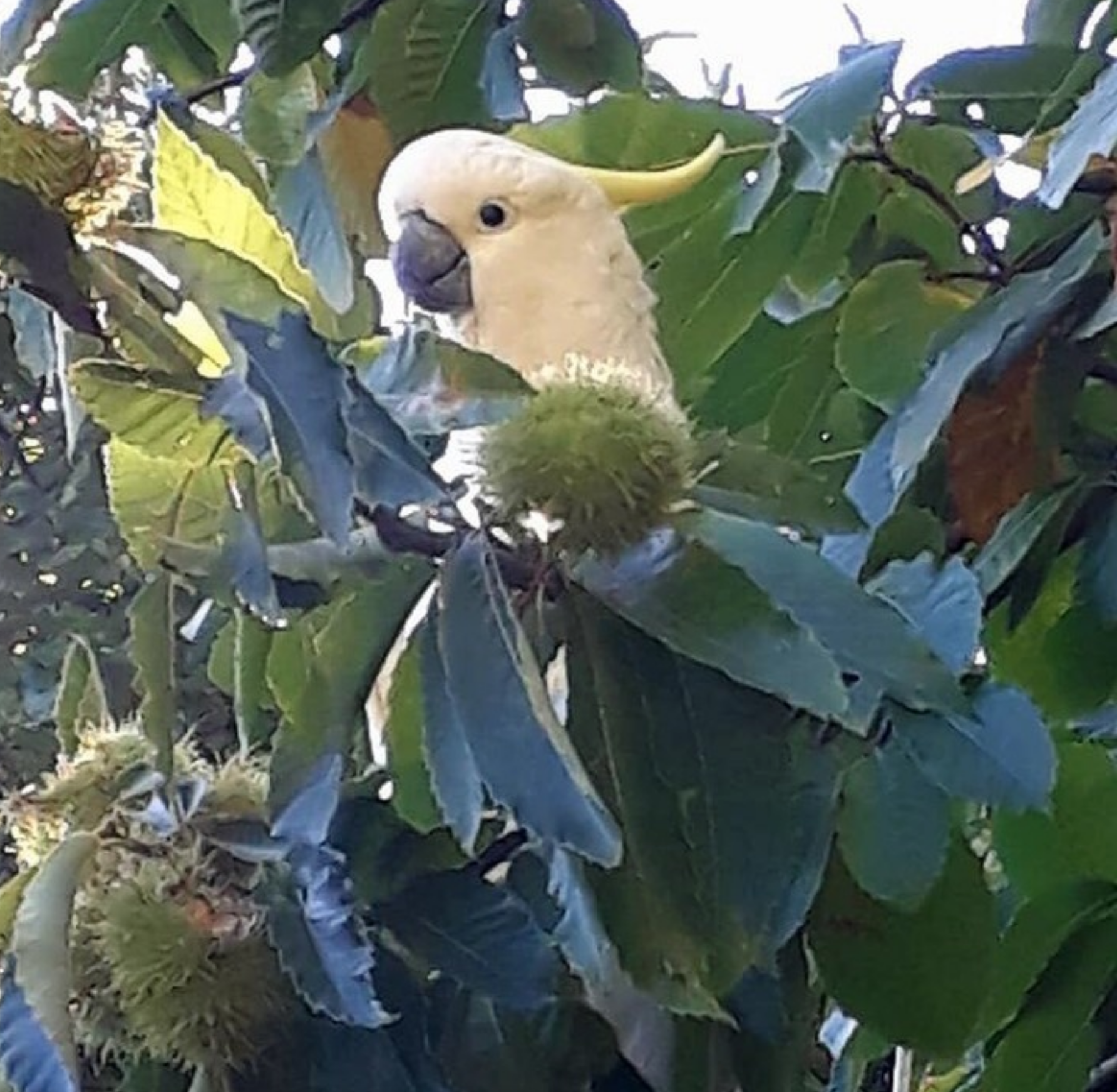
We have flocks of white Sulphur-Crested Cockatoos which feed on the big trees, especially the chestnuts, and nest there. They often come singly. They screech a lot, and can be very noisy. The young ones in winter make a drawn-out sound from their nests. There are also large flocks of Corellas, which are slightly smaller white cockatoos without the crest, with a less raucous call) that often wheel about overhead at evening.
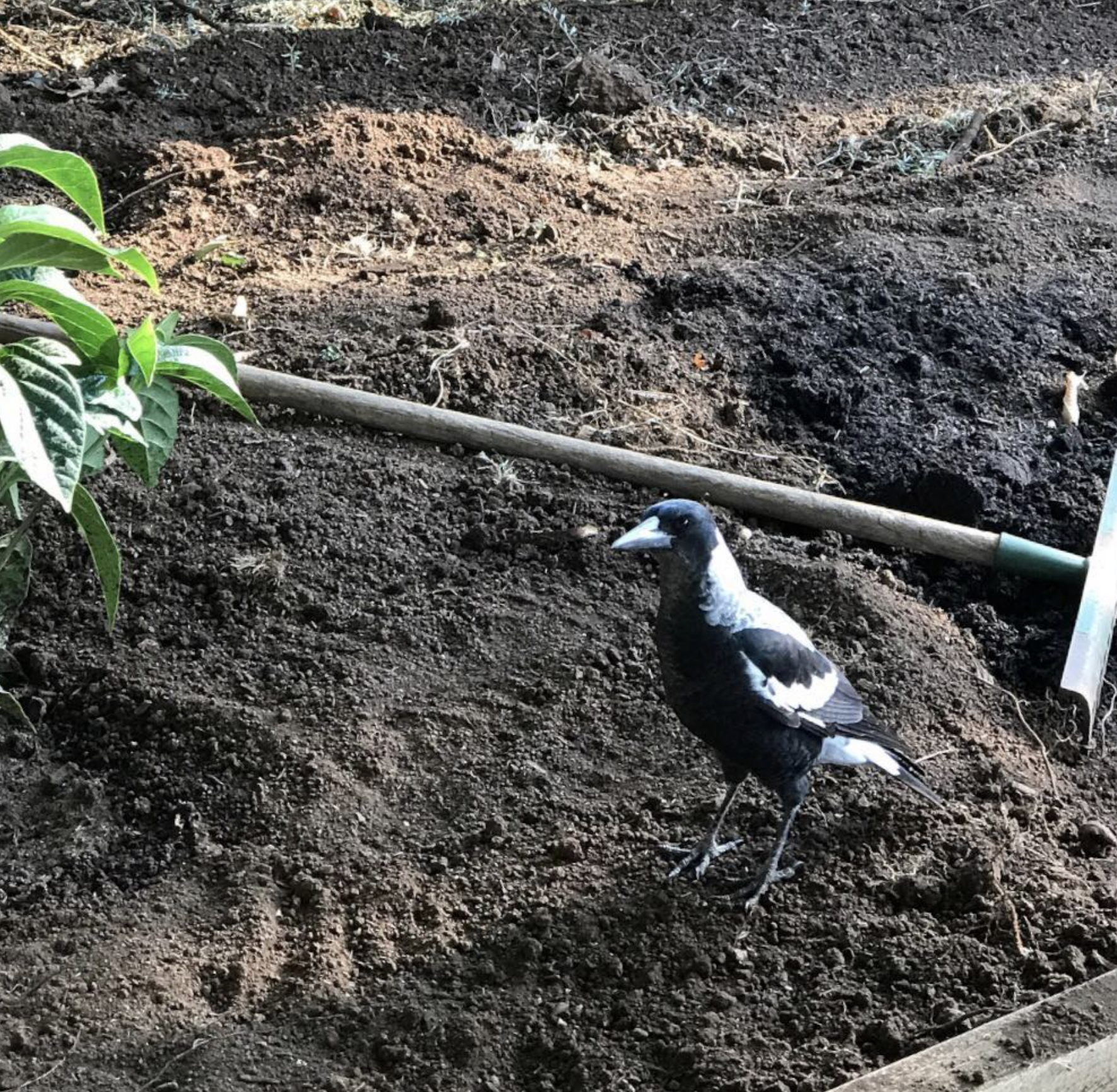
There are several resident families of magpies, which are very musical. These feed mostly on the ground, where you see them looking for grubs and so forth. Sometimes there is a ‘magpie convention’ on the street corner outside. Because we have always been nice to them they are quite friendly, and often come quite close when we are working in the garden, especially the adolescent ones.
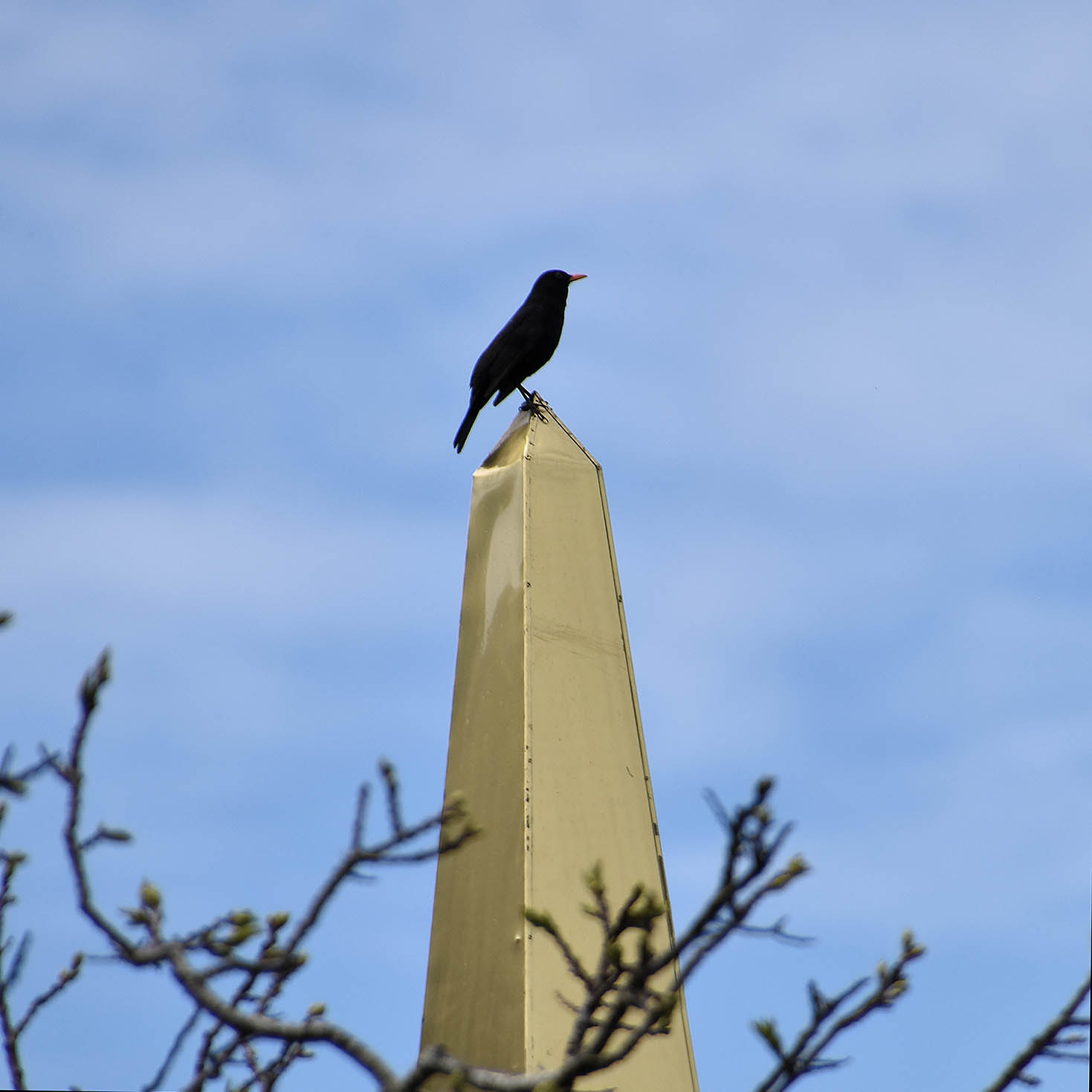
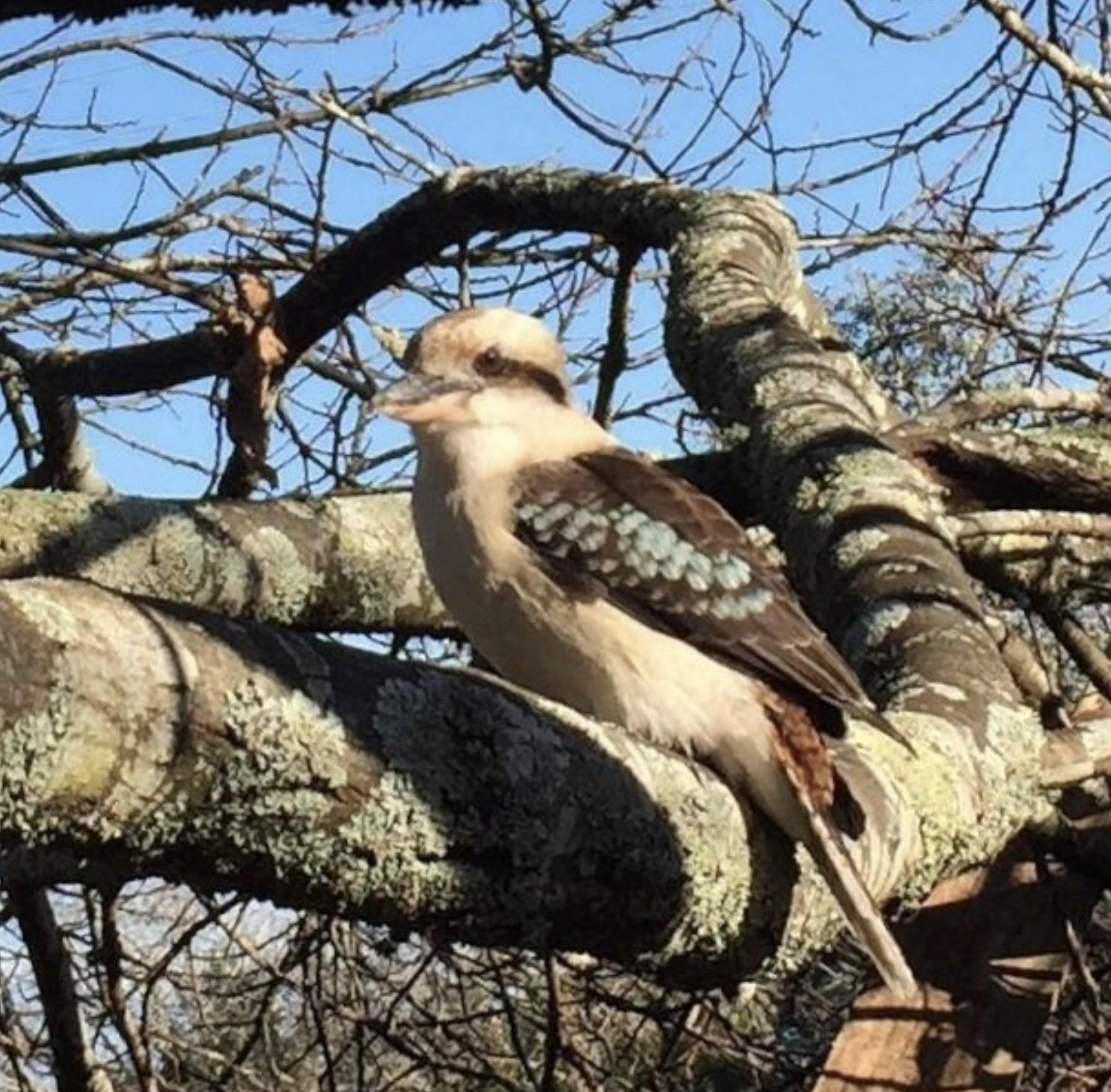
Kookaburras with their distinctive song are regular visitors but do no nest here. Blackbirds scrabble around in the undergrowth.
Rosellas (colourful red and blue parrots, green when young) feed on the berry trees and on the ground. These are our favourites. They love the new growth of the tricolour beech.
There often a pair of wattle-birds, which flutter around quite low. They nest at about head height and make a clackety noise. They mate for life, are highly territorial, and threated by cats, which they will swoop at persistently.
There are also many small birds, especially shrub wrens (which make a ‘zit-zit’ noise) and honeyeaters, which nest in the hedges.
In autumn into winter there are flocks of currawongs, big magpie-like birds with white patches on their tails. These feed high but often fly low between the trees. They have a very pretty song as well. Currawongs and blackbirds often drink from the bird bath outside the west window. They are the most aggresive birds in the garden and will attack smaller birds.
The most dominant resident birds are ravens. They are very clever scavengers and will raid anything that might be food, including plastic bags. it pays not toleave food outside unatttended.
In autumn, with the cockatoos, currawongs and magpies all singing together, it sounds like a bird symphony orchestra!